
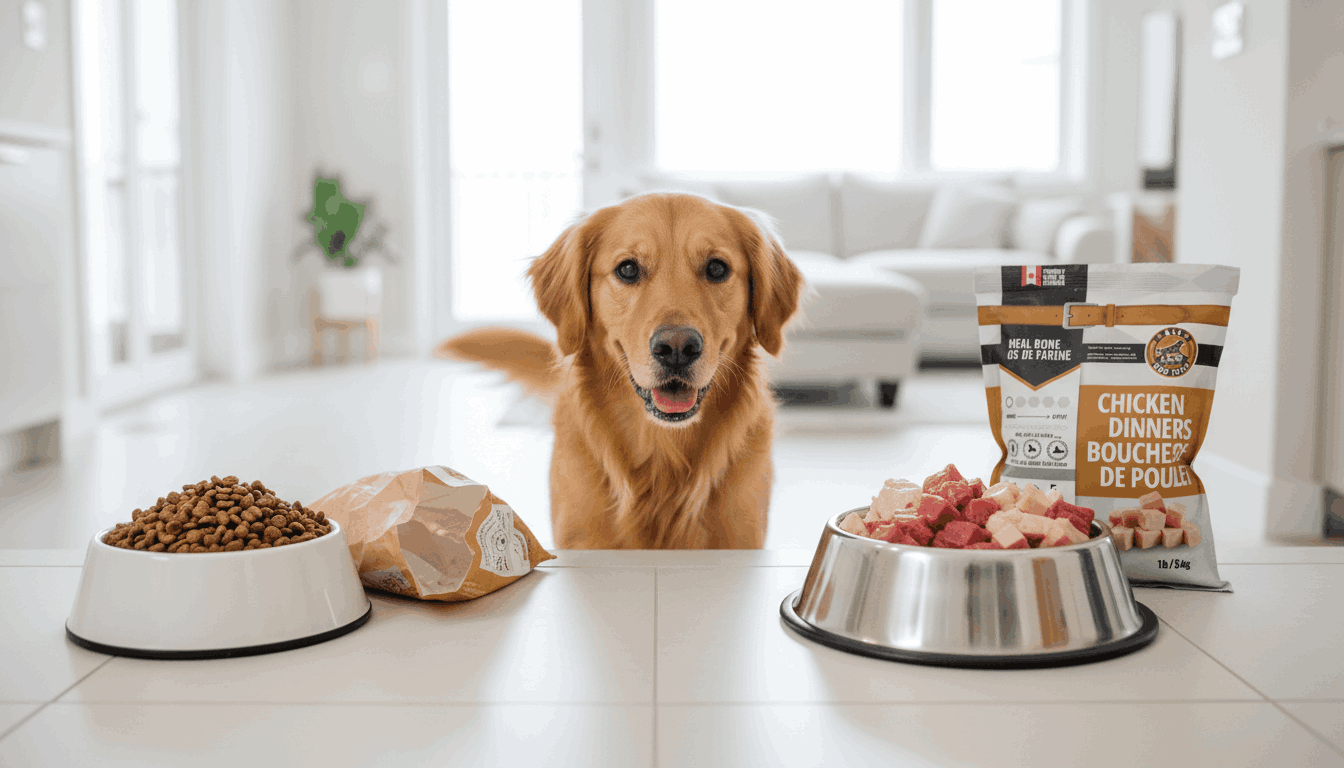
Learn how switching from kibble to raw can be done with a structured plan that supports digestion, routine, and confidence. This guide explains the transition from kibble to raw and how switching to raw dog food can feel easier when you start with the right formula and routine.
Switching from kibble to raw can feel like a big step, especially when the biggest worry is upsetting your dog’s stomach. Many dog owners are interested in raw feeding long before they feel ready to begin. They start reading labels, comparing ingredients, and wondering whether a less processed feeding approach might be a better fit for their dog.
The hesitation usually comes next.
People worry about diarrhea, constipation, skipped meals, or making the change too quickly. They also run into conflicting advice about whether to switch all at once, transition gradually, or mix kibble and raw. That confusion can make a good idea feel harder than it needs to be.
A calmer transition usually starts with a simpler plan, a suitable formula, and a routine that feels manageable from the beginning.
Raw feeding often makes sense in theory before it feels practical in real life.
Dog owners may already feel unsure about highly processed food. They may want clearer ingredients, better digestion, or a feeding routine that feels more aligned with their dog’s needs. But even when the interest is there, hesitation often centers on one concern: what if the switch causes digestive upset?
That concern is understandable.
Changing food can affect stool, appetite, and routine, especially at the beginning. The goal is not to avoid every adjustment. The goal is to make the transition feel structured enough that normal changes do not immediately feel like failure.
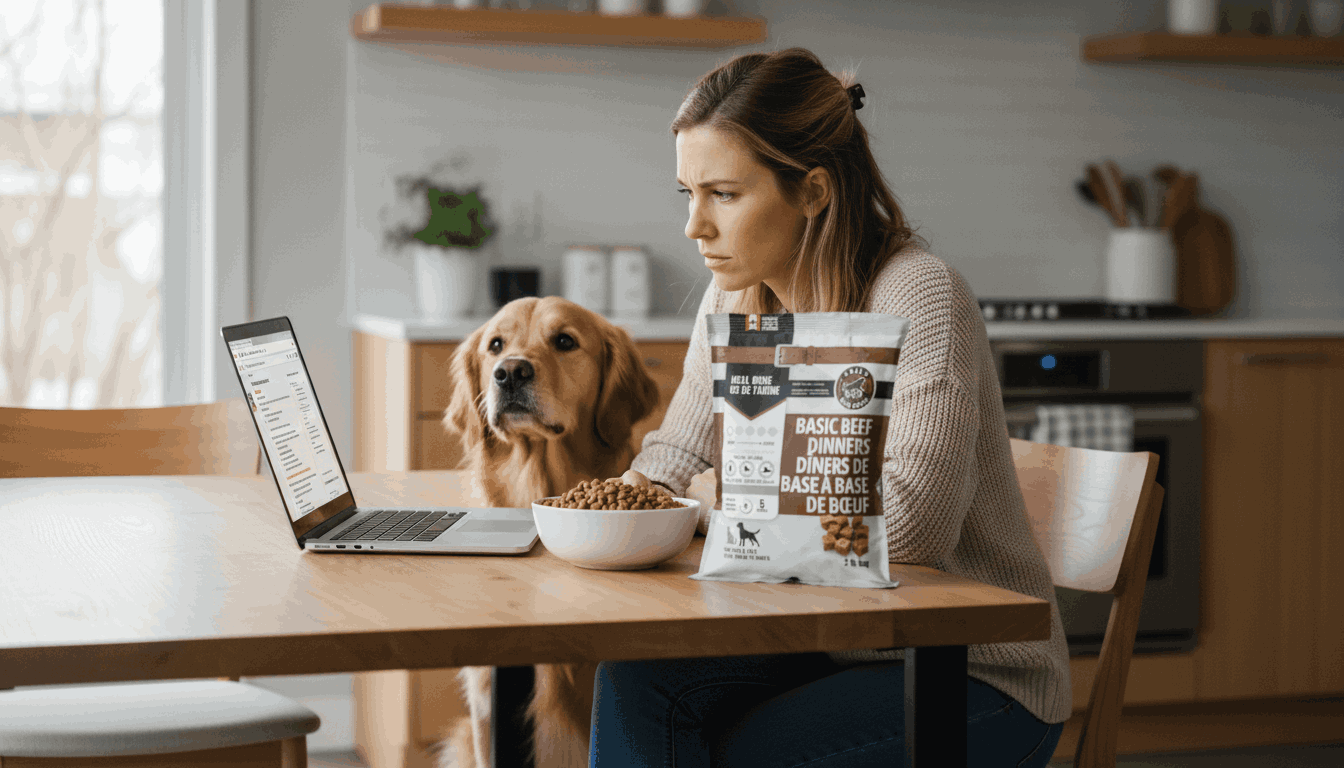
When dogs move from one feeding style to another, some adjustment can be normal.
That does not mean every dog reacts the same way. Some adapt quickly. Others need more time. What matters most is having realistic expectations and paying attention to how your dog responds over several days, not just one meal.
During the transition from kibble to raw, owners often notice:
Stool often looks different when food changes. This is one of the first things owners tend to notice.
Some dogs are interested in raw food right away. Others need time to settle into a new routine.
Owners who are used to measuring kibble by cups often need a clearer starting point when shifting to raw feeding amounts.
Many people are not sure whether to move quickly or gradually, which is why a simple plan matters.
These changes do not automatically mean the transition is going badly. They usually mean the dog is adjusting and the owner needs a clearer routine rather than more variables.
The most practical transition advice is often the simplest.
Start with a clear plan. Keep the routine steady. Watch your dog. Adjust with purpose instead of panic.
For many dog owners, switching to raw dog food feels easier when they reduce the number of variables at the beginning. Introducing several proteins, treats, toppers, or extras all at once can make it much harder to understand what is helping and what is not.
A calmer transition often includes:
Choose a raw option that feels easy to manage and easy to monitor.
Feed on a regular schedule and avoid making too many changes at once.
Look at the dog’s response over several days rather than reacting too quickly to one meal.
Questions about portions, protein choice, and tolerance are common. They are part of the process.
This approach makes the switch feel more manageable because it keeps the first steps clear.
This is one of the most common questions dog owners ask when they first consider raw feeding.
The answer depends on the dog and the approach that feels most manageable for the household. Some owners prefer mixing at first because it feels more gradual. Others prefer a cleaner transition because they want a more structured change in feeding routine.
The most important thing is not following random advice without context. The most useful approach is the one that fits the dog in front of you and is carried out with a clear plan.
Dog owners are usually not looking for a lecture on feeding philosophy. They are looking for reassurance that there is a calmer way to move from kibble to raw without turning every meal into a source of anxiety.
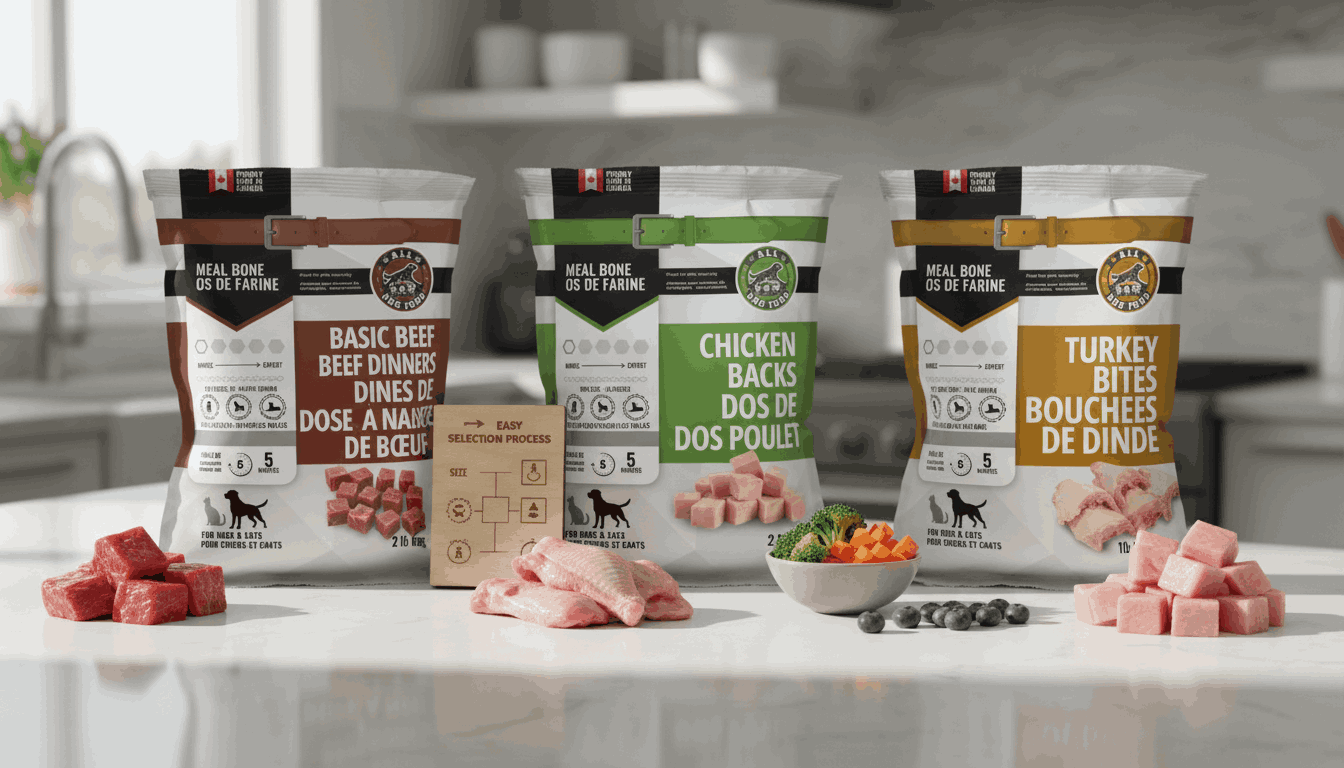
Once someone decides to try raw feeding, the next question is usually simple: what should I start with?
That is where many dog owners need support.
Some are choosing based on digestion. Others are thinking about allergies, protein tolerance, activity level, or picky eating. The goal is to start with something that feels suitable and manageable rather than overwhelming.
A good starting raw formula usually feels:
easy to portion
easy to repeat
appropriate for the dog’s needs
simple enough to monitor during transition
When the starting point feels manageable, the whole process becomes easier to follow.
A lot of raw feeding content online explains the concept without helping owners decide what to do next.
That is often where uncertainty returns.
Dog owners in Cornwall, Ottawa, and surrounding areas often want more than broad information. They want to know where to go for starter options, who to ask about feeding amounts, and what to try if the dog has a more specific need.
That local connection matters because it turns a general feeding topic into a practical next step. Instead of being left alone with mixed advice, owners can connect with a real business that can help them choose a suitable formula and build a routine they can maintain.
The transition from kibble to raw usually feels more manageable when it is broken into simple steps.
A structured approach often helps owners:
reduce worry about digestive upset
feel clearer about portions
choose a suitable starting formula
avoid overcomplicating the transition
build a routine they can actually maintain
That is why this topic matters so much. Dog owners are not looking for feeding theory. They are looking for relief from uncertainty and a better sense of what to do next.
For local dog owners, practical support can make the transition much easier.
All Raw Dog Food helps dog owners in Cornwall, Ottawa, and surrounding communities with raw feeding guidance, product access, and support around choosing a formula that fits their dog’s needs. That makes the move from kibble to raw feel less like a leap and more like a process with a clear next step.
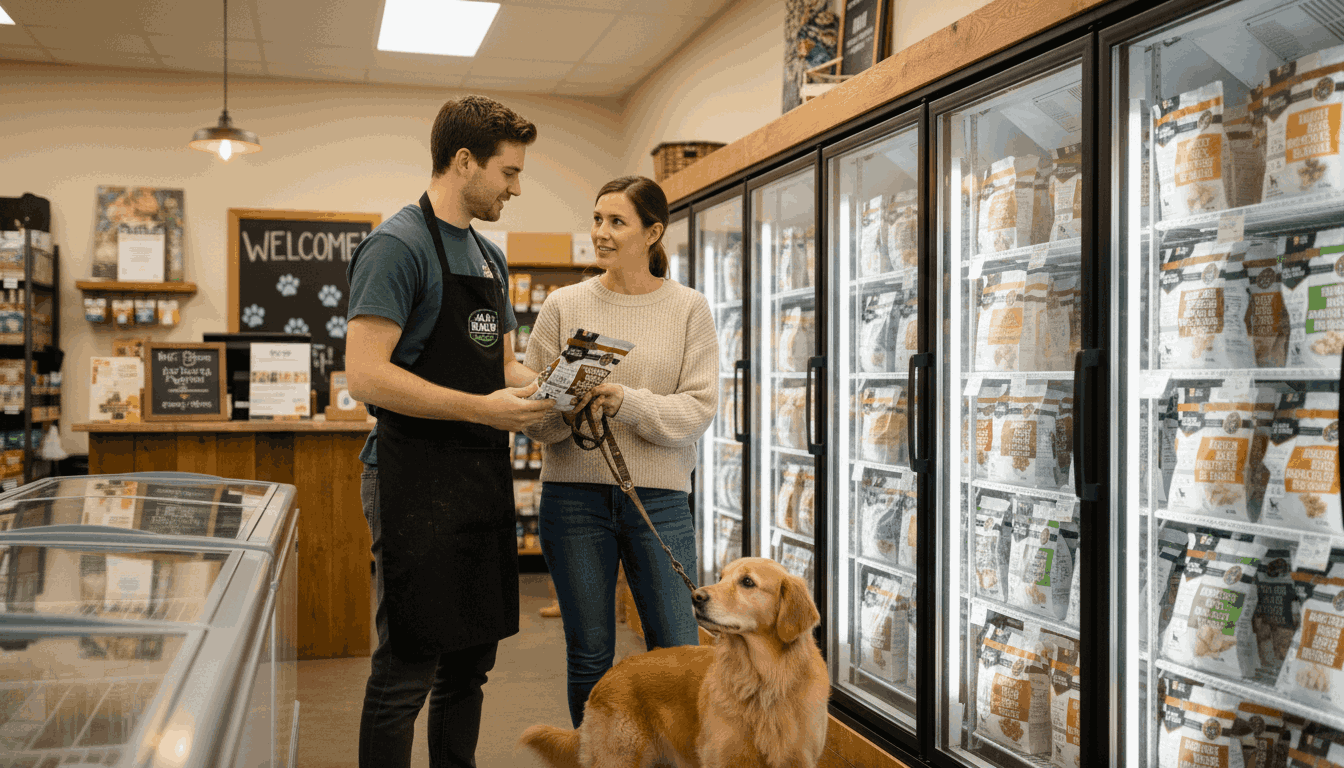
Some adjustments can be normal when changing feeding styles, especially at the beginning. A simpler routine and a suitable starting formula can help make the process smoother.
Different dogs respond differently. Some owners prefer a more gradual transition, while others prefer a cleaner switch. What matters most is having a clear, manageable plan.
Some dog owners do, especially during transition. Others prefer not to. The best approach is the one that fits the dog’s needs and is handled thoughtfully.
Common things to monitor include stool consistency, appetite, energy level, and how well the dog is settling into the new routine.
A good starting formula should feel simple, practical, and appropriate for your dog’s digestion, routine, and feeding needs.
If you are thinking about switching from kibble to raw, you do not have to figure it out alone. A calmer start usually comes from choosing a practical formula, keeping the routine simple, and getting help when questions come up.
All Raw Dog Food helps dog owners in Cornwall, Ottawa, and surrounding areas take a more confident approach to raw feeding with support around product choice, feeding guidance, and local access.
(613) 935-8246
42-812 Pitt St. Cornwall, ON K6J 3S2
Contact All Raw Dog Food for guidance on starting formulas, feeding, and next steps. Call (613) 935-8246 to talk through your dog’s transition from kibble to raw.
Email allrawdogfood@hotmail.com for help choosing a raw food option that fits your dog.