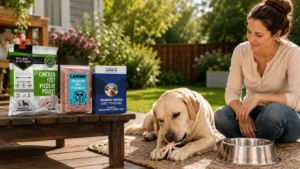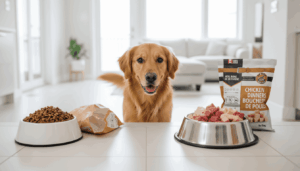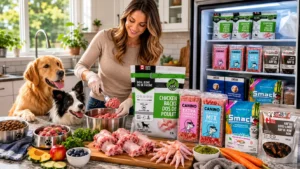

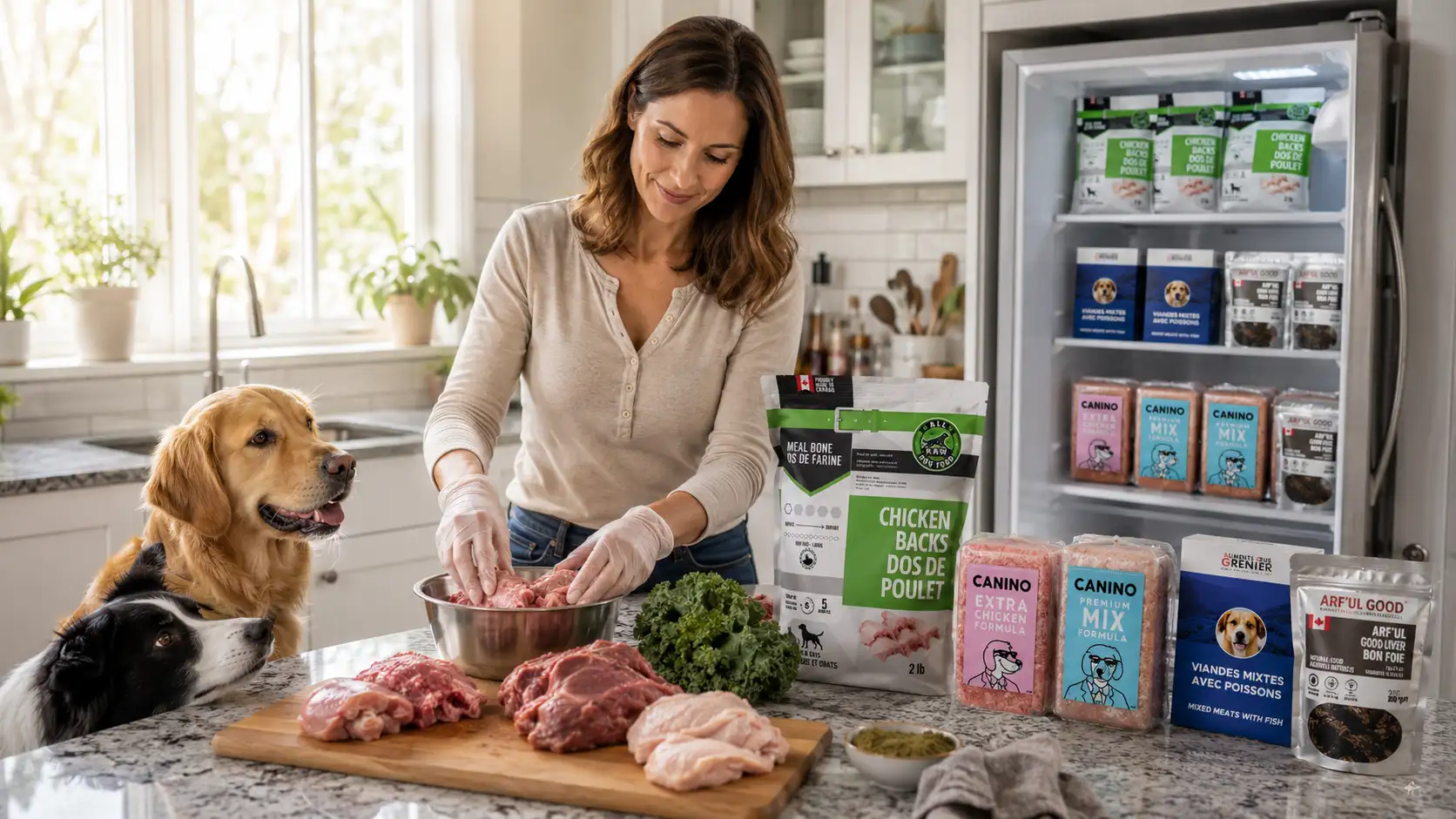
A raw dog food diet focuses on feeding dogs raw ingredients instead of heavily processed kibble or canned food. For many pet owners, raw feeding feels like a more direct way to understand what goes into their dog’s bowl.
But if you are new to raw feeding, it is normal to have questions.
At All Raw Dog Food, we help dog owners in Cornwall, Ottawa, and surrounding areas explore raw feeding with practical guidance, prepared raw food options, and local support. Whether you are just starting your research or looking for raw dog food for dogs that fits your routine, we can help you make the next step with more confidence.
Get Help Starting a Raw Dog Food Diet
Call (613) 935-8246, email allrawdogfood@hotmail.com, or visit us at 42-812 Pitt St., Cornwall, ON K6J 3S2.
A raw dog food diet often includes animal-based ingredients such as raw meat, bone, organ meat, and other raw feeding components. Depending on the product or feeding plan, it may also include additional ingredients that help support a complete routine.
One of the most important things to understand is that raw feeding is not the same as giving your dog random raw meat from the grocery store.
Prepared raw dog food is made for dogs and can help make feeding easier, more consistent, and more practical. Instead of trying to build a diet from scratch, you can choose raw food options created for canine feeding and ask questions before you start.
That is what makes raw feeding more approachable for many owners. You are not expected to figure everything out on your own. You can start with prepared options, learn what fits your dog, and build a routine that works for your home.
Explore Raw Dog Food Options
We can help you compare raw meals, treats, bones, and feeding options for your dog’s needs.
Many people start researching a raw dog food diet because their current feeding routine does not feel like the right fit anymore.
Some dogs are picky. Some owners want fewer fillers. Some dogs may have food sensitivities or digestive concerns. Others may simply want a feeding routine that feels fresher, simpler, and more intentional.
Raw feeding gives you more control over what goes into your dog’s bowl. It can also make it easier to focus on protein choices, ingredient quality, portion planning, and consistency.
For many families, raw feeding is not about following a trend. It is about choosing a way of feeding that feels more connected to their dog’s needs.
When you understand the basics, raw feeding becomes much less intimidating.

When people search for raw food dog food, they are often trying to compare raw feeding with regular dog food.
Kibble is cooked, processed, and shelf-stable. Raw dog food is usually stored frozen and handled more like fresh food. That means it requires different storage, thawing, and serving habits.
The decision is not only about format. It is also about how involved you want to be in your dog’s daily feeding routine.
Raw feeding may appeal to owners who want:
Raw feeding also requires care. Because it is a raw product, it needs proper storage, handling, and cleanup. We help dog owners understand those steps before they switch.
Safety is one of the most important things to understand before starting a raw diet.
Raw dog food should be handled carefully. It should stay frozen until needed, thaw safely, and be served in clean bowls. Hands, counters, utensils, and surfaces should be cleaned after contact with raw food. Leftovers should be stored according to product guidance.
These habits are simple, but they matter.
Many dog owners prefer prepared raw options because they make the routine easier to manage. Prepared products can also help reduce the guesswork that comes with trying to create a raw diet alone.
We help customers understand the basics before they buy, including:
A raw dog food diet should feel informed and manageable. If you are unsure where to start, we can help you work through the details.
Ask Us About Safe Raw Feeding
Call (613) 935-8246 before you switch, and we can help you understand storage, thawing, serving, and product options.
Starting raw does not have to be an all-or-nothing decision.
Some dog owners want to move fully into raw feeding. Others begin with raw treats, bones, or smaller portions before making a bigger change. The right approach depends on your dog, your comfort level, and your current routine.
Before starting, it helps to consider:
These details matter because raw feeding works best when it fits real life. A routine that feels too complicated is harder to maintain. A routine that fits your household is easier to follow.
We help you choose raw food options that support your dog’s needs without making feeding feel overwhelming.

Portioning is one of the most common questions dog owners ask.
The right amount depends on your dog’s size, age, activity level, metabolism, and current body condition. A young, active dog may need a different amount than an older dog. A small breed will need a different plan than a large breed. A dog switching from kibble may also need time to adjust.
Good portion planning can help you avoid overbuying, running short, or making sudden changes that do not fit your dog.
Instead of guessing, you can ask us about portions, feeding frequency, and product options before buying. We can help you think through how much food you may need, how often you may want to restock, and what type of raw food may be a good starting point.
That kind of planning can make raw feeding feel more practical over time.
For many pet owners, raw feeding is both a nutrition decision and a practical decision.
You may want fresher food, but you also need to think about storage, cost, time, availability, and whether your dog will enjoy the change.
That is completely reasonable.
Raw feeding is easier to maintain when the food, portions, storage, and support all fit your household. You should feel confident about what you are buying, how to serve it, and how it fits into your dog’s routine.
We help make raw feeding more practical by offering product options, local support, and guidance before you commit. Whether you are feeding one dog, multiple dogs, or simply exploring your options, we can help you choose a path that makes sense.
If you live in Cornwall, Ottawa, or surrounding areas, having a local raw dog food source can make the transition easier.
Raw feeding often comes with questions. You may want to know which product to choose, how much freezer space you need, how often to buy, or whether raw food is right for your dog’s current needs.
We give you a real place to call, visit, and ask those questions.
From our Cornwall location, we help dog owners choose raw meals, raw treats, bones, and feeding options that fit their dogs. We believe you should feel informed before changing your dog’s food, not uncertain after you bring it home.

Not every dog has the same needs. Some dogs adjust well to raw feeding, while others may need a more careful approach because of age, health concerns, sensitivities, or chewing habits. We recommend asking questions before switching.
Some owners transition gradually, while others use a different approach depending on the dog. The right path depends on your dog’s current diet, digestion, and routine. We can help you think through a practical starting point.
Yes. Raw dog food is typically stored frozen until needed. It should be thawed safely and handled carefully, just like other raw food products.
Yes, many owners start with raw treats or bones before making a larger change. This can be a simple way to explore raw feeding and see how your dog responds.
A raw dog food diet can feel much easier when you understand what it includes, how to handle it safely, and how to choose food that fits your dog.
You do not need to figure it out alone.
We help dog owners in Cornwall, Ottawa, and surrounding areas explore raw dog food for dogs with clear guidance, local product access, and support before they switch.
Whether you are curious, cautious, or ready to start, we can help you choose raw food options that fit your dog, your home, and your feeding routine.
Get Help Starting a Raw Dog Food Diet
All Raw Dog Food
42-812 Pitt St., Cornwall, ON K6J 3S2
Phone: (613) 935-8246
Email: allrawdogfood@hotmail.com
Website: allrawdogfood.ca